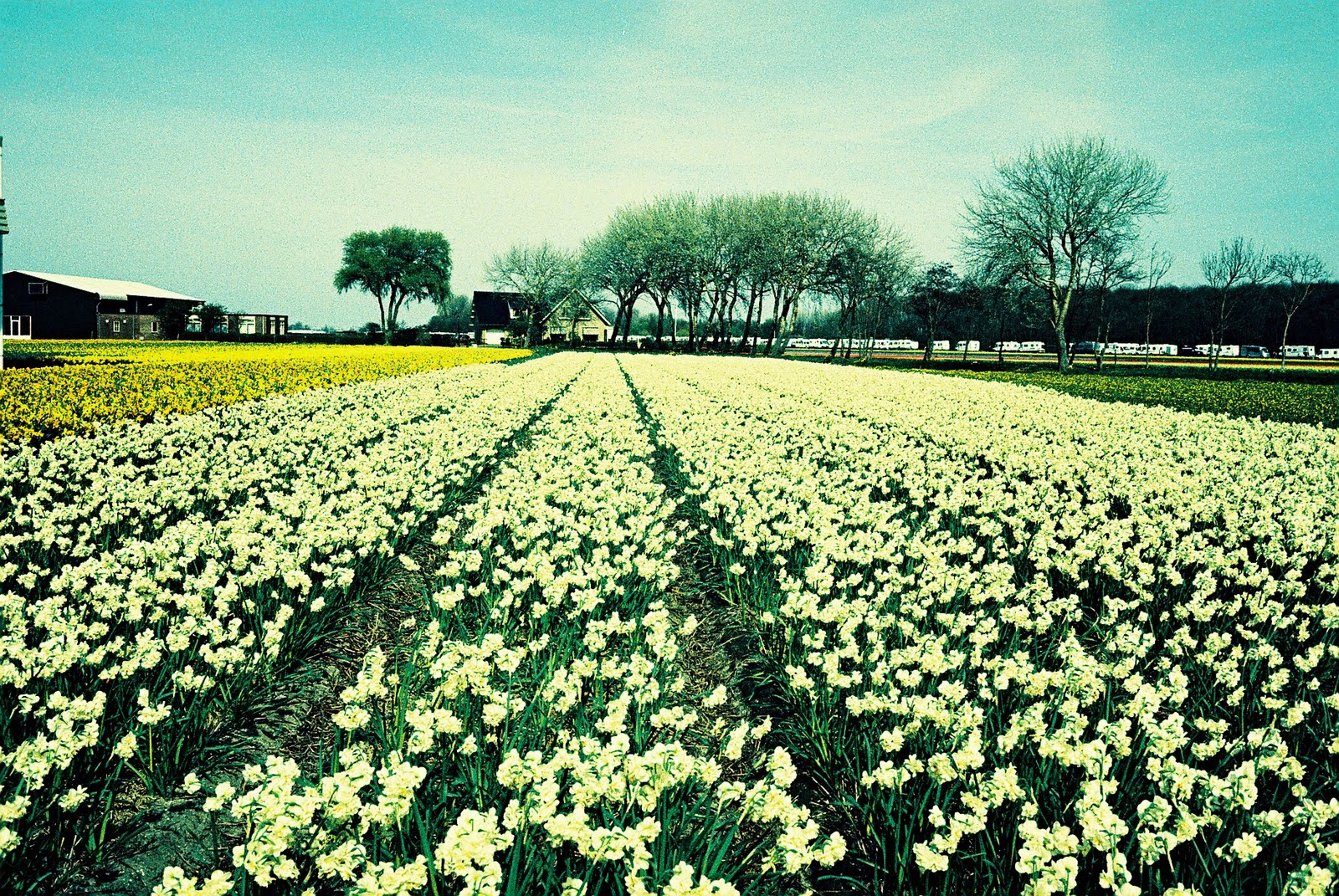
I miss lomo...
my life has been overtaken by anxiety and stress lately.
 I miss lomo...

 A very good book with tips on toy cameras and film, both 120 and 35mm. One of my favourites.
 I got this because of the toy camera feature. Camera Nichiwa is a monthly magazine on cameras in general, and a lot more fun than the serious DSLR/Professional magazines that Japan seems to churn out by the dozens (i think photography is the number one hobby among Japanese retired old men). I never read those since I do not own or know how to use a DSLR. And the photos in these pro mags don't do anything to me, cos digital shots always look very flat and somehow lack character.
 SNAP! is a quarterly magazine dedicated to toy cameras. As far as I know, this is the only magazine solely dedicated to toy cameras in Japan. The publisher INFOREST MOOK also does books on toy cameras, like Camera Plus etc. It also produces special supplements, known as 別冊 (bessatsu) in between the SNAP! volumes. Every issue focuses on different topics, like Holga, Diana, LOMO LC-A, or on film and shooting techniques.
 This book has good tips on DIY-ing one's camera. I learnt how to make a filter using nail varnish, transparency and some color pens. Using it as a lens filter, the effects are soft and dreamy. I am shooting some using this now and will put up the shots later.
 I like this book for the lovely shots contributed by lomo lovers. Some of them make me go wow, and like "how the hell was that done?" The camera and film type used are indicated alongside each photo, so it helps to give a sense of how certain film type would turn out.
 This is a guide to common toy cameras and there are specific instructions on how to use them, like loading film etc. Very basic though a good one-stop introduction to the world of toy cameras.


 As the focal length of Holga is about 38mm on 35mm film (mine is the 135 version), which means I can only take clear pictures of objects at least 1m away, it doesn't allow me to take close up shots. To help make up for it, I bought Holga a fisheye lens, which I intended to use like a macro lens to take close-ups (about 4cm away), which will then turn out to look normal. Anything more than 4cm away will produce a distorted effect, which actually is the whole point when people use this lens. For me, it works both as a pseudo-macro and a fisheye lens. Have to judge the distance carefully though, otherwise the subject can turn out to be blur, while the background ends up being clear, which may not be the intended effect.


 We had great coffee at this backpacker hide, which also has pricey but nice-looking rooms.
 Bahasa is full of these "self-madevup" words. Warung + English = Ang moh grub place.
 A street outside our hotel
 Oink turned out to be a local streetwear brand. I was surprised to see Porky in a Muslim country.
 The roof-top of our "hotel" which doubles up as a hostel for students of a local university. At 7 floors high, this was one of the highest points in the city, where buildings are generally no more than 4 storey in height. As the hotel was situated near the north part of the city, we had a view of Mt Merapi. Unfortunately, the weather was mostly foggy so the grand dame was partly shrouded in mist.
 Empty water tank on the roof-top.


 I was persuaded to try out some Lomography-produced redscale film by the folks at 36 @ Sunshine Plaza and after reading about it in SNAP!, the Japanese lomo magazine. So I tbought some and tested them out on indoor portrait, portrait close-up, outdoors, and indoor still life. Here are the samples. I must say the redscale effect is a bit too much for me.